

From Playgrounds to Peptide Creams: The Beauty Industry Has Gone Wild
Published on December 4, 2025, at 9:54 a.m.
by Maggie Hill
The days of children sharing our exact same skin care routine are finally over! Or so we thought…

Last year, videos of children taking over Sephora went viral. Kids were posting “get ready with me” clips and massive hauls showing off everything they bought, and adults were not happy. Many of the products these 9-15-year-olds were using contained ingredients no child should be putting on their skin. To make matters worse, staple products adults relied on were suddenly being wiped off the shelves by 12-year-olds.
Shay Mitchell saw a gap in the market and recently launched a children’s skincare line called Rini, offering gentle formulas free of retinols and harsh chemicals. This concept, on the surface, sounds like a great idea. Unfortunately, many people say the message behind the brand feels completely out of touch.
Mitchell took to social media on November 6, 2025, to announce her new brand. Her post was quickly flooded with negative comments such as “This is so messed up,” “Why does a 3-year-old need skin care?” and the list goes on.
Rini was designed as a safer alternative for kids already interested in skincare, but many parents felt the idea only fed into an already concerning trend—children growing up too fast under the influence of social media. People argued that instead of influencers encouraging skincare routines for kids, they should be helping them step back from unrealistic beauty standards.
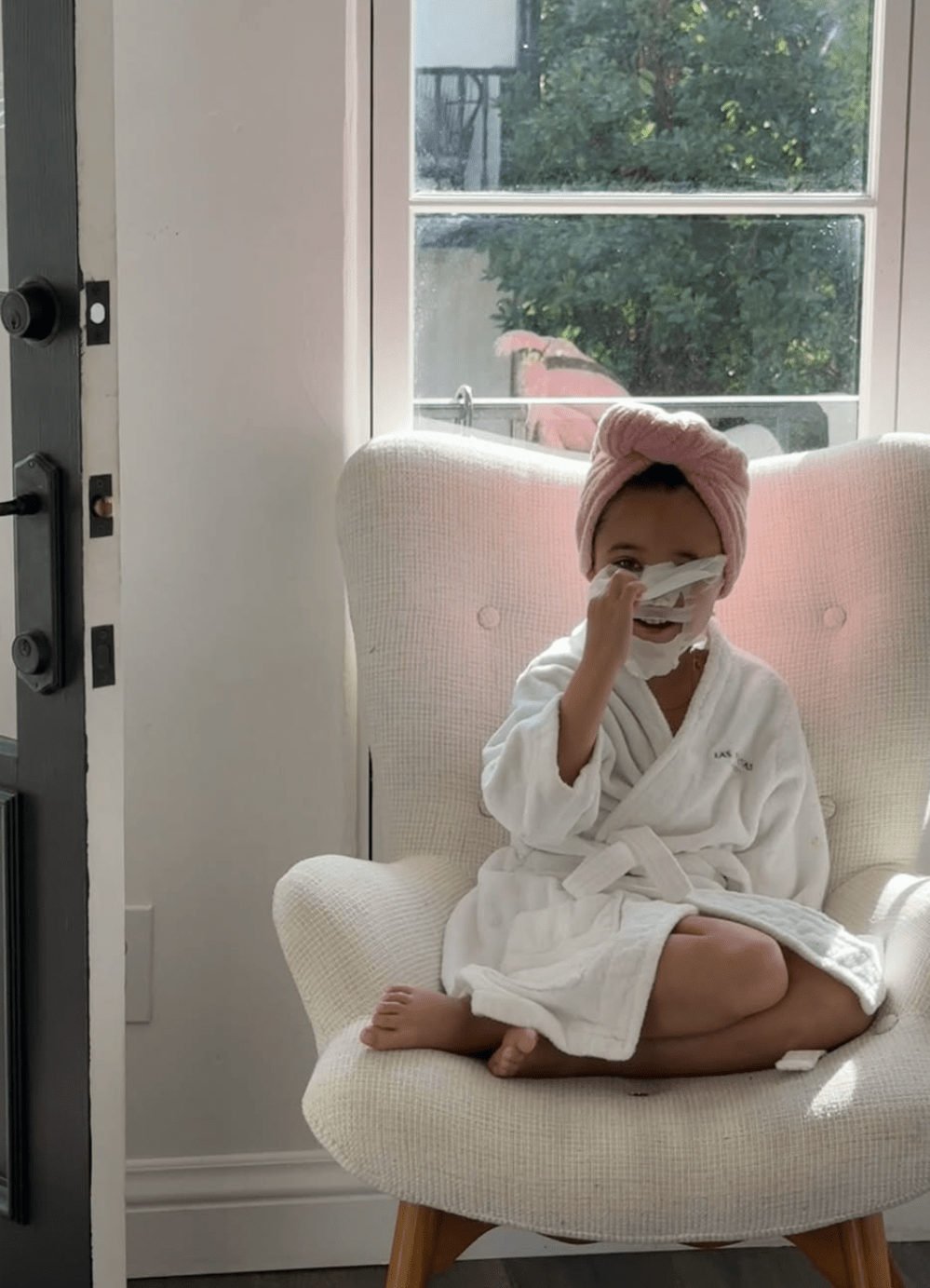
Many also argue that children don’t need skincare routines because, well… they’re kids. Dermatologists have repeatedly said that most children only need a gentle cleanser, moisturizer and sunscreen. Anything more can do more harm than good. So when a celebrity launches a full line aimed at young children, complete with marketing that mirrors adult beauty campaigns, it’s easy to see why people felt uneasy.
Despite the backlash, some parents expressed appreciation for a gentler option. If kids are already experimenting with skincare because of what they see online, it might be safer to let them use products designed for their age group rather than retinols and acids meant for adults. It’s not that Rini was the problem—social media pressure was.
Whether Rini becomes a hit or not, one thing is clear. The way brands position their messaging can be a huge make-or-break moment. Maybe if Rini marketed their product as a “toy” like many “makeup” products we use as children growing up, all of this backlash could have been avoided.
The conversation about kids, social media and beauty isn’t going anywhere. And as long as kids keep looking to influencers for guidance, brands like Rini will continue to spark discussions about what the future of childhood, and what the beauty industry should really look like.