
Your First Campaign is You: The Importance of Building a Personal Brand in College
Published on December 11, 2025, at 1:08 p.m.
by Mallory Magee
Graduation isn’t just a countdown to diplomas—it’s a countdown to differentiation. As college students prepare to enter the job market, many are realizing that their most important project might be themselves. From LinkedIn profiles to digital portfolios, today’s graduates must think like PR professionals—crafting a clear, authentic brand that communicates who they are and what value they bring to the table.
Personal branding has become a vital part of career preparation, especially for communication and PR students who understand the power of perception. A well-developed personal brand helps students tell their story, highlight their strengths and stand out in a crowded job market. In many ways, building a personal brand is your first PR campaign—and your audience is every recruiter, colleague or connection who comes across your name.
“Personal branding can be defined as how people perceive and remember you,” said Angelique Crawford, the Director of Career Center Programming at the University of Alabama. “In Lindsay Pollak’s ‘Recalculating,’ she defines a personal brand as ‘the effort to communicate and present your value to the world.’”
PR students are taught to communicate clearly and shape how audiences view their clients through storytelling. The same principles apply to personal branding: knowing your audience and crafting a consistent message to build trust.
Assistant University of Alabama Registrar Erin Jett, who also teaches an Honors course about life after graduation, said that the process of developing a personal brand begins with self-reflection. “It’s incredibly important for students to get to know themselves—their strengths, values, passions, even their dislikes,” she explained. “Knowing yourself plus setting some career-oriented goals allows students to tailor their professional materials and be ready for opportunities when they arise.”
LinkedIn: More Than a Job Search Tool
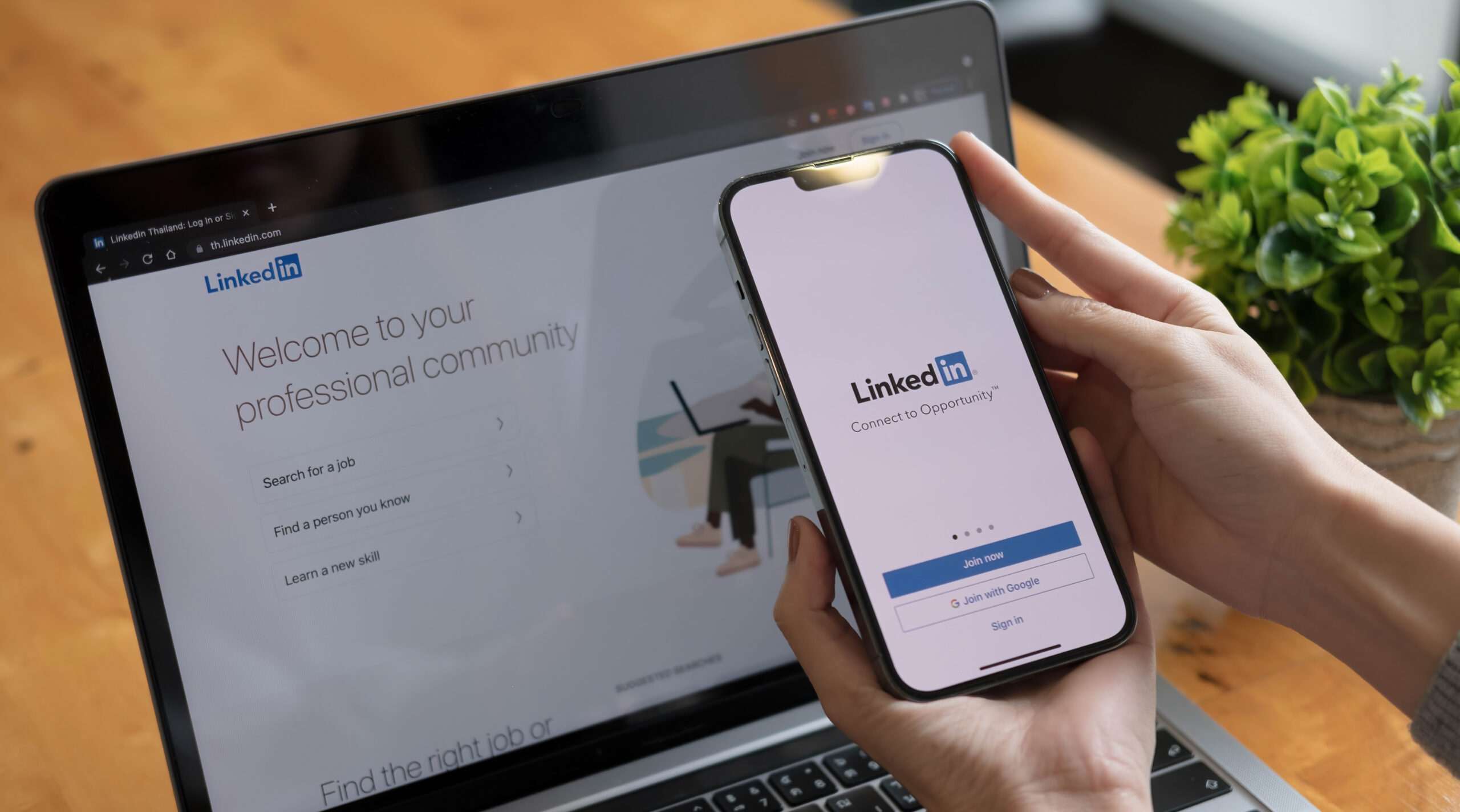
LinkedIn might be known as a job-hunting platform, but it’s also a place where students can showcase their personal brand and share their professional identity. With over 214 million users in the United States, and 40% using it daily, the social networking site has become more than just a job search tool—it’s a digital resume and main stage for building credibility and connections in your field. Given the platform’s reach and professional focus, students who learn to use LinkedIn effectively can gain a major advantage.
“LinkedIn isn’t just about applying for jobs,” Crawford said. “Your cover photo can visually convey your professional brand. Your headline tells people what you do and what skills you bring. And your ‘About Me’ section is where you tell the story of who you are as a professional—it’s your personal branding statement.”
Jett agreed, adding that LinkedIn is a “great place to start” for students wanting to develop their personal brands and professional images. “If you don’t have a LinkedIn profile, create one,” she said. “If you do, make sure it’s complete and up to date.”
For students preparing to enter the workforce, LinkedIn is both a professional tool and a reflection of who they are becoming. Throughout college, students should regularly update their profiles with academic achievements, work experience and future aspirations to highlight who they are and how they can bring value to jobs after graduation. If used efficiently, LinkedIn can also serve as a “gateway to a vast professional network, connecting students with industry leaders, alumni and potential employers,” according to St. John’s University.
Show, Don’t Tell: Why Digital Portfolios Matter
While LinkedIn gives employers a glimpse of your professional story, a digital portfolio or personal website brings that story to life and provides evidence of your capabilities. Your resume might tell employers what you can do, but your portfolio allows you to show them.
“I think having a portfolio is both relevant and important for any field, but especially for creative ones,” said Crawford. “Portfolios act as the definitive proof of the skills you claim you have on your resume.”
She also suggests including work that reflects the field you want to enter, whether that’s writing samples, videos, research or public speaking clips. By blending creativity and professionalism, what’s included in digital portfolios or a personal website displays skills and projects in a robust and visual way that can complement the information in your resume and cover letter. If you choose to create a website, experts at the University of Pennsylvania say that it should be “visually appealing, easy to navigate, and optimized for search engines to improve visibility.”
Additionally, portfolios don’t just show talent; they also demonstrate initiative and help you stand out from other students. In a competitive job market, having a portfolio with digital proof of your abilities might just be what lands you the role over someone who has nothing to visually show for their resume.
Managing Your Online Presence
Even if you spend years crafting the perfect resume, you can fall victim to your own digital footprint that prevents you from securing a job.
Crawford emphasized that what you post online can directly affect your career prospects. “Your digital footprint can make or break your chances for getting and sometimes even keeping a job,” she said.
She recently met with local employers who confirmed that social media activity often plays a role in hiring decisions. According to a 2023 ResumeBuilder survey, 73 percent of hiring managers use social media to evaluate applicants, and notably, 85 percent said they’ve rejected candidates because of something they found online. For these reasons, she recommends reviewing your social media accounts to determine what misperceptions a stranger could have and reflecting on how your digital persona aligns with the personal brand you’re trying to showcase. In your social media audit, she suggests asking yourself questions like:
What is the brand I’m trying to establish for myself?
How do I want employers to see me?
Do my posts reflect that image?
Before launching a brand campaign, PR professionals evaluate public perception. The same goes for your online presence—employers evaluate how you are perceived through your digital footprint. If they see anything unfavorable connected to your name or something that would reflect poorly on their company, chances are you will be passed over for the job opportunity.
Balancing Authenticity and Professionalism
When shaping their online presence, finding the balance between authenticity and professionalism is one of the biggest challenges students face. Both Crawford and Jett believe that the two can coexist. They explain that students don’t have to erase their personality online, but they should align their personal and professional identities.
“You can be your true and whole self and still come across as a professional,” Crawford said. “Showcase qualities like dependability, integrity, and respect—those are elements of professionalism you already demonstrate in everyday life.”
Jett added that consistency is just as important as being authentic and professional. “All the components of a personal brand should feel comfortable and genuine,” she said. “The goal is to showcase your best self. The tone and look should be consistent across your materials, and it’s always helpful to ask mentors or faculty for feedback.”
Your Brand Evolves with You

Personal branding isn’t something you create once and complete. Instead, it evolves as you gain new skills and experiences and your values and aspirations shift.
“Be proactive,” said Jett. “Even after you’ve achieved that next step—whether it’s grad school or your first full-time role—keep polishing the various components of your brand. Update your resume, LinkedIn and portfolio with new projects and keep a pulse check on your strengths, values and goals. As those change, your professional brand should reflect that evolution.”
Your personal brand isn’t something you leave behind after graduation or once you land your first job—it grows alongside you. Building this brand takes time, reflection and effort, but it’s one of the most valuable investments a student can make. For college students preparing to enter the workforce, your first campaign is you, and it may be the most important campaign you’ll ever run.