

Crisis Communication in the Chaos of College Sports
Published on December 9, 2025, at 6:00 p.m.
by Parker Schell
The roar of the crowd, the slam of helmets, and at the shriek of a whistle, the game’s fate rests in the officials’ hands.
When that final call doesn’t go the losing fans’ way, their frustration has to go somewhere, often landing squarely on the National Collegiate Athletic Association (NCAA). Similarly, organizations like the Southeastern Conference (SEC) and Big Ten are subject to this constant scrutiny. Large groups of emotional stakeholders calling for coaching changes, demanding referee suspensions or challenging new rules and policies present these organizations with one major need—expert crisis communication.
The NCAA has always had its own way of responding to scandal. One of the most recent examples of this occurred this fall when six men’s basketball players at three different schools were suspended after participating in gambling schemes, purposefully altering their performance. When the suspensions were announced, the NCAA outlined its investigative efforts and the results of these to the media, while simultaneously using an image repair strategy of differentiation to separate the acts of six players from the organization as a whole.
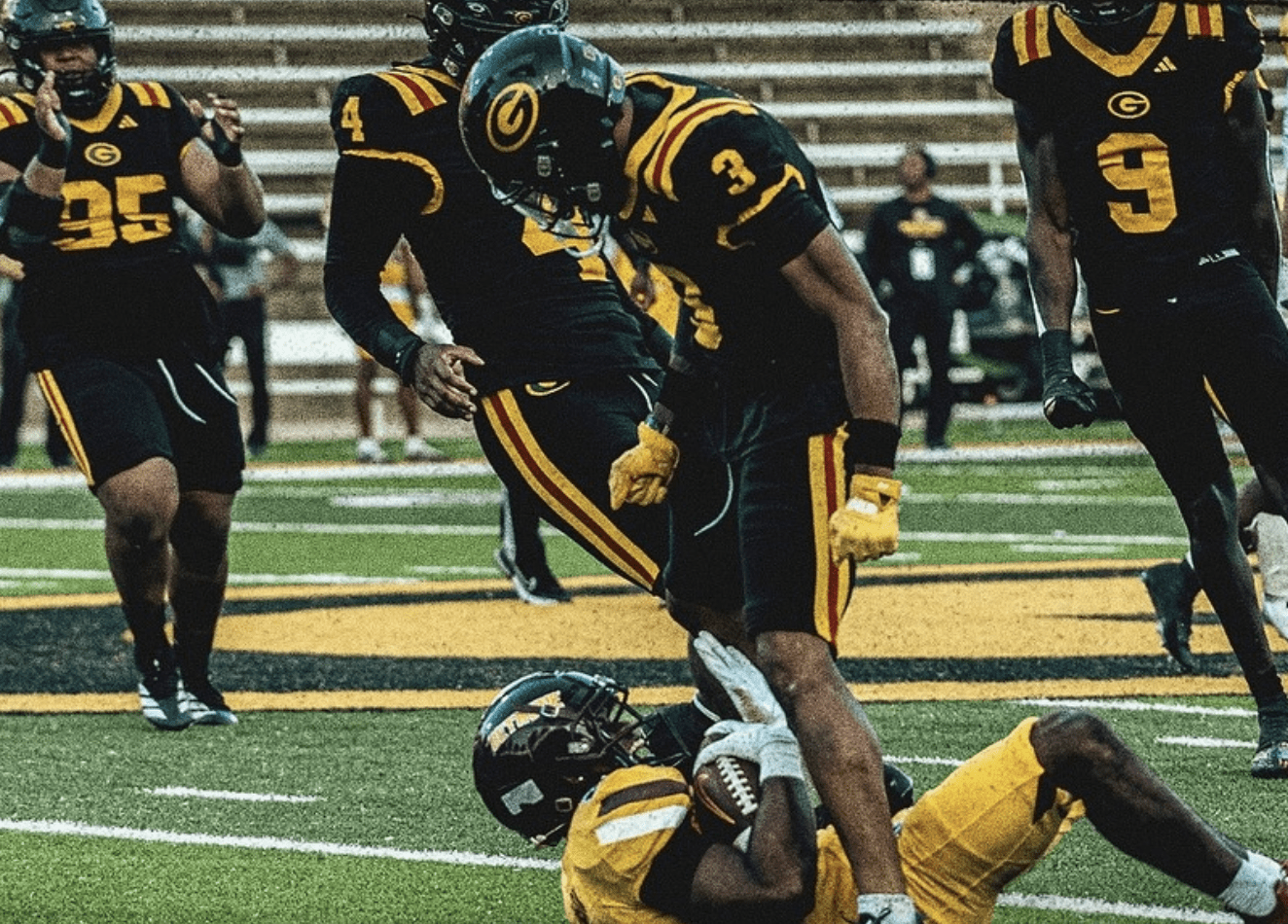
The Southwestern Athletic Conference (SWAC), a smaller organization, handed down 27 suspensions following a major on-field altercation between players during week eleven. In contrast to the player issue on the big stage of college basketball, this conference issued a statement—reaffirming its zero-tolerance policy toward unsportsmanlike conduct.
Is it necessary to release a statement? Or is it only necessary to simply issue consequences and move on?
Another example of the chaos that is college athletics is from week seven of this college football season with a matchup between the oldest rivalry in the South—the Georgia Bulldogs and Auburn Tigers. Both of these SEC teams have quite passionate fanbases, with Georgia fans having a new-found sense of entitlement and Auburn fans having a history, like several other fanbases, of blaming officials for the outcome of the game. After the Bulldogs beat the Tigers 20-10, social media was flooded with mixed emotions regarding some key plays, including a controversial timeout call made by Georgia Bulldogs Head Coach Kirby Smart.
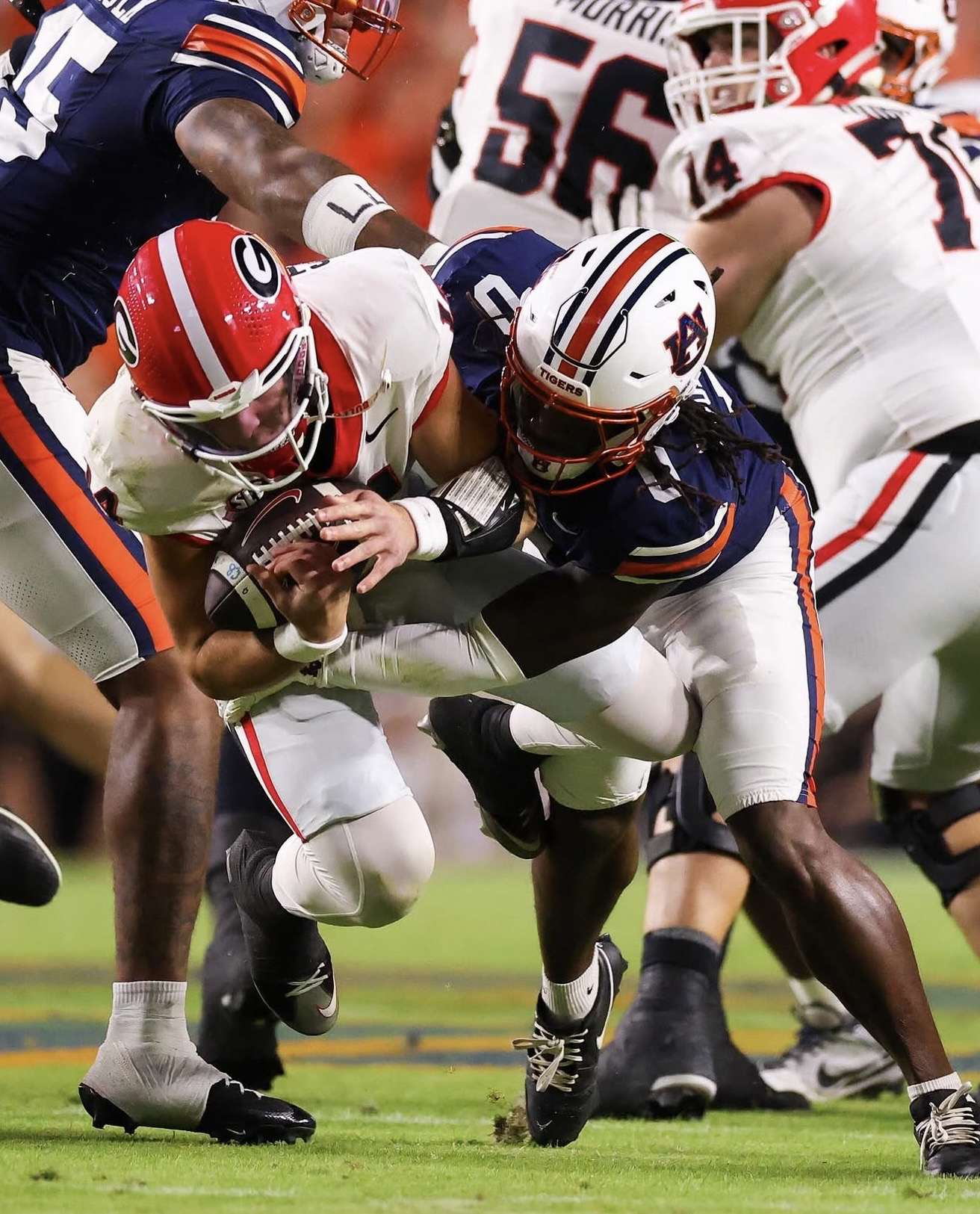
One of these plays took place late in the first half when Auburn quarterback Jackson Arnold tried to push the ball into the end zone, from just one yard away. As he reached forward, Georgia defender Raylen Wilson knocked the ball loose, and Wilson’s teammate Kyron Jones recovered it right near the goal line. Officials ruled that Arnold lost control of the ball before crossing into the end zone and the Tigers were not awarded the touchdown, arguably costing the Tigers the game according to several Instagram posts.
The SEC suspended referee Ken Williamson for the remainder of the season due to his crew’s missed calls during the game. Some say that this suspension is “succumbing to the masses” and others agree that officials should be held accountable. “The SEC does not comment on personnel matters,” a league spokesperson told ESPN.
The questions still remain: Is it always necessary to comment when someone on your payroll makes a mistake? Why are the smaller organizations more likely to respond? The pipeline from silence to action is quite a short one, yet what ultimately determines whether they stay silent or step forward is a calculated choice about reputation—one that’s not always made with transparency.