
Beating The Bots
Published on November 13, 2025, at 9:54 a.m.
by Maggie Hill
1…2…3…4…5…6. Six seconds. That’s all it takes for a resume to be tossed to a reject pile. PR students spend hours perfecting their resumes, only to be considered for just six seconds. Today, first impressions are often made with algorithms, not humans. Luckily there is a way around this.
Turning PR Skills Into Job Tools
All throughout college, PR students are taught how to understand their audience, craft the right message, keep it clear, prove their impact, amplify their voice, and build strong relationships. In order to stand out in today’s job market, students must apply all of these strategic communications skills they learn in class to their job applications.
The Rise of the Applicant Tracking System
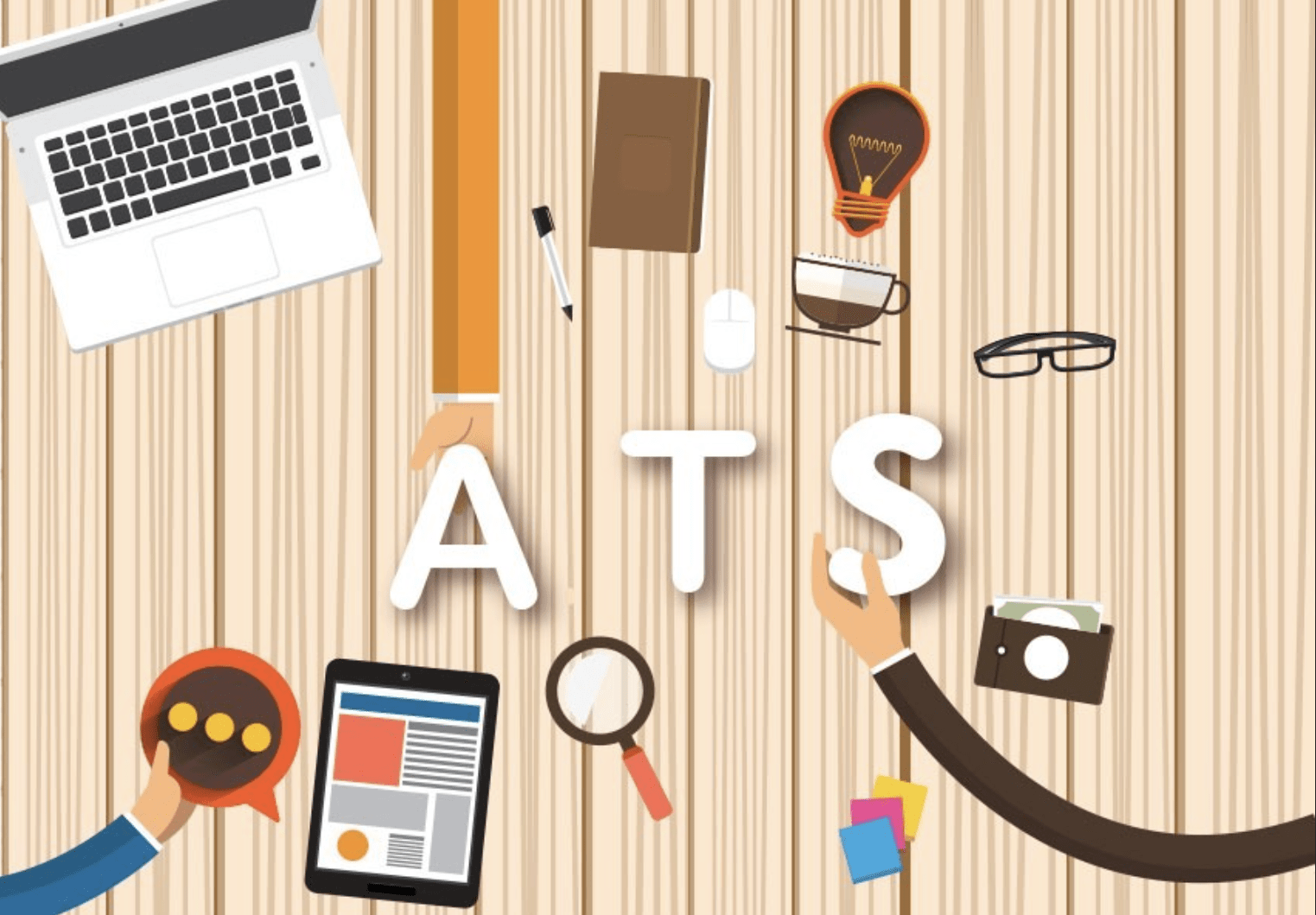
In most cases a resume will be put through an Applicant Tracking System (ATS) before a human even sees it. An ATS uses algorithms to quickly sort through hundreds of applications by scanning for specific keywords, qualifications and phrases that match the job description.
“These systems are looking for those specific key terms and phrases,” said Angelique Crawford, director of Career Center Programming at The University of Alabama. “If you don’t have the same language that’s listed in the job description, you might not make it through.”
These algorithms rank resumes based on how closely they align with the employer’s criteria (skills, education, experience, etc.). If a resume doesn’t score high enough, it may never make it to a recruiter’s desk, no matter how qualified the applicant actually is.
Companies are using ATS now more than ever, and they aren’t going away anytime soon. A study by Workable asked 950 professionals “When hiring, did you use some form of AI when doing so?”, and 62.5% of them responded, yes. AI-driven hiring tools have become a standard part of the recruitment process, deciding which resumes get seen long before a real person looks at them.
Speaking the Language of AI
Much like PR professionals adjust their messages for different audiences, students now need to use those same skills to tailor their resumes. Only this time, the audience is AI.
“There used to be a time when you could write one general resume and just tailor your cover letter,” said Amy Dayton, an associate professor and director for The Writing Center at The University of Alabama. “But because of AI, you really need to tailor your resume toward particular jobs. If you’re not using the correct key terms, you may not pass through those AI filters.”
Common Resume Mistakes

There are several common mistakes students often slip up on, which results in their resume being thrown into the reject pile. Some of these mistakes include using graphics and uncommon fonts, creating unusual headings and leaving out key terms. Many of these mistakes confuse the ATS which in turn automatically voids a resume.
“That’s where I think students go wrong, because they’re trying to make it look fancy or different, but it’s not readable to the system,” said Crawford.
While making a resume look appealing might sound like a good idea, it’s not. Adding pictures, graphics or color and using a pretty font could cause the ATS to have trouble reading a resume. It’s best to keep everything black and white.
In a typical resume, sections are labeled “Work Experience,” “Education” or “Skills.” While it might be tempting to stand out with creative headings like “What I’m Good At” or “Where I Studied,” doing so can confuse the ATS and prevent it from recognizing key sections of a resume.
Strategy Over Style
Probably the most important step when making a resume is including key terms. If a job application keeps mentioning terms like “press release writing” or “media relations” the best thing to do is insert those key phrases multiple times throughout the resume. The ATS picks up on these and scores resumes higher because of it.
Just like unclear messaging can make a campaign flop, an unreadable resume can lose its audience: the hiring system. But, the good news is PR students already have the tools to fix this–strategy—storytelling and precision.
Think Like a PR Pro
To get past the algorithms, students should approach their resumes the same way they would a PR campaign. Start by thinking

like a strategist. Students should research the company they are applying to in order to get familiar with the brand’s voice. Doing this allows students to insert key phrases and mirror their language throughout their resume.
Next, simplicity is key. Much like a press release, students need to state the facts and the facts only. There shouldn’t be any fluff, just the hard facts of skills accomplished during an experience.
Showing measurable impact is very important for a resume. General statements don’t show impact. Backing achievements with numbers, such as “Increased engagement by 25%,” adds credibility and boosts a resume’s visibility in an ATS.
“Employers love to see measurable results,” said Crawford. “Instead of just saying you managed social media, say you increased engagement by a certain percentage or grew followers by a specific number. That shows your impact clearly.”
Lastly, much like a media pitch, students need to tailor their message for their target audience. In this case, both AI and HR. By adjusting each resume they send to match the specific company and position, students can show that they understand the organization’s needs, which increases their chances of passing the AI screening and allows them to make a stronger impression when their resume finally reaches a human reviewer.
Building a Consistent Personal Brand
Any good PR student knows that reputation matters. They should treat their LinkedIn and portfolio like a personal brand campaign. Students should use the same language on their resumes and LinkedIn profiles to keep their message consistent. Just like brands keep their message consistent across different platforms, your personal brand should look and sound the same wherever people find you online.
“A resume is only one part of the picture,” said Dayton. “Networking continues to be extremely important. That’s how most people get opportunities, big and small.”
Beating the bots isn’t about tricking the system, it’s about communicating clearly and strategically. PR students already have the tools to do this, they just need to use them. By applying the same skills they use to craft strong campaigns, students can make sure their resumes stand out to both AI and the people behind it.